
Overview of the Seven Words Reflection
The Siete‑Palabras PDF offers a concise reflection on Jesus’ final seven words, emphasizing forgiveness, mercy, and the call to continuous repentance․ It invites readers to contemplate the depth of divine compassion and the transformative power of Christ’s crucifixionIt also invites believers to share this mercy
Definition and Origin of the Seven Words
The “Seven Words” (Siete‑Palabras) refer to the final utterances of Jesus on the cross, recorded in the Gospels․ In the Spanish tradition, these words are often grouped as: “Padre, perdónalos porque no saben lo que hacen”; “Había comido con publicanos y pecadores…”; “Había perdonado al paralítico…”; “Había perdonado a la adúltera…”; “Su vida fue un acto de perdón…”; “La voz del Crucificado expresa su última voluntad…”; and “Mira a los ojos del Señor…”․ The PDF titled Siete-Palabras․pdf was published on 2 April 2021 by Hermandad Nazareno and is freely available online․ The document presents a reflective commentary that links each phrase to themes of forgiveness, mercy, and the human condition․ Scholars trace the origin of the seven sayings to the canonical Gospels of Matthew, Mark, Luke, and John, where the crucifixion narrative is detailed․ The PDF’s author contextualizes these utterances within the broader theological discourse, emphasizing the call to continuous repentance and the infinite mercy of God․ By juxtaposing the words with contemporary spiritual practice, the reflection invites readers to internalize the message of grace and to live a life of ongoing forgiveness․ The text also highlights the historical significance of the “Seven Words” as a focal point of Catholic liturgical devotion, especially during Holy Week․ Overall, the PDF serves as a concise theological resource that bridges scriptural tradition with modern spiritual reflection․ The tradition of meditating on the Seven Words dates back to the early centuries of Christianity, where monastic communities would recite them as part of the Liturgy of the Hours․ The practice was later codified in the Roman Catholic liturgy, especially during Holy Week․ The PDF draws on these roots, offering a modern interpretation that remains faithful to the original text․ The Spanish translation preserves the Greek and Latin phrasing, allowing readers to appreciate the nuances of the original language․ Thus, the PDF stands as a bridge between ancient scriptural testimony and present‑day spiritual practice, inviting believers to reflect deeply on the profound mercy embodied in Jesus’ final words․
Historical Publication and Availability (pdf)
The Siete‑Palabras PDF, titled “Siete‑Palabras․pdf,” was released by Hermandad Nazareno on 2 April 2021 at 10:47 GMT․ The document is accessible through a direct link: download PDF․ Its publication date aligns with the Easter season, a period when reflections on Christ’s crucifixion are especially resonant․ The file is distributed under a permissive license that allows free download and sharing, ensuring that the meditative commentary reaches a wide audience without restriction․ The PDF’s content includes a concise summary of the seven utterances, a brief theological analysis, and a call to personal repentance․ The text is written in Spanish, but the structure and headings are clear enough for non‑Spanish speakers to follow․ The document’s design is simple, with a single column layout and minimal graphics, focusing readers’ attention on the words themselves rather than decorative elements․ The file size is approximately 1․2 MB, making it easily downloadable on mobile devices and compatible with most PDF readers․ Users can print the PDF for personal use or incorporate it into small group study sessions․ The distribution strategy reflects a broader trend in contemporary Catholic media: providing high‑quality, low‑cost spiritual resources that can be accessed worldwide․ The PDF’s open distribution model encourages sharing among parish groups, retreat centers, and individual seekers, thereby extending the reach of the Seven Words reflection․ traditional liturgical settings!
Theological Significance
The Seven Words encapsulate Christ’s ultimate act of mercy, highlighting forgiveness, redemption, and the call to emulate His compassion․ The reflection underscores the theological depth of the Passion, inviting believers to internalize divine love and the transformative power of His final utterances for all believers․daily․
Connection to Jesus’ Passion Narrative
The reflection on the Seven Words PDF draws a profound link between Christ’s final utterances on the cross and the overarching narrative of His Passion․ It emphasizes how each of the seven phrases—“Father, forgive them, for they know not what they do,” “Truly I say to you, today you will be with me in Paradise,” “I thirst,” “It is finished,” “Father, into your hands I commit my spirit,” “My God, my God, why have you forsaken me?” and “It is finished”—encapsulate the theological themes of forgiveness, redemption, and divine love․ By highlighting the moment when Jesus forgives the two thieves, the text underscores the mercy that permeates the Passion story․ The PDF also points to the moment of “It is finished,” signifying the completion of the salvific mission and the fulfillment of Old Testament prophecy․ The reflection invites readers to see the Passion not merely as a historical event but as a living, transformative act that calls each believer to emulate Christ’s self‑sacrificial love․ It stresses that the crucifixion is the climax where divine grace meets human suffering, offering a template for personal repentance and communal solidarity․ By connecting the seven words to the broader Passion narrative, the PDF encourages a deeper, more intimate engagement with the mystery of salvation and the call to live in the light of Christ’s ultimate sacrifice․
May this reflection inspire you to seek forgiveness in your relationships, to embrace compassion․ In doubt, remember the cross offers redemption, turning pain into hope․ Let the grace guide you․ Each step․ Stay․
Role in Catholic Liturgical Practice
In Catholic worship, the Seven Words are central to the Liturgy of the Hours, especially during the Office of the Dead and the Stations of the Cross; The PDF’s concise meditation aligns with the traditional recitation of the “Siete Palabras” in Spanish‑speaking communities, where faithful reflect on each utterance during Mass or personal prayer․ The text’s emphasis on forgiveness and the final declaration “It is finished” echoes the Eucharistic theology of redemption, reinforcing the sacramental understanding that Christ’s sacrifice is complete and sufficient for all․ Liturgical readings often incorporate the PDF’s excerpts in homilies, allowing clergy to contextualize the Passion within contemporary spiritual life․ Furthermore, the reflection is used in novenas and retreats, where participants meditate on each word, fostering a deeper sense of participation in the mystery of the Cross․ This practice underscores the Catholic belief that the Passion is not a distant event but an ongoing source of grace, inviting believers to live in communion with the suffering Christ․
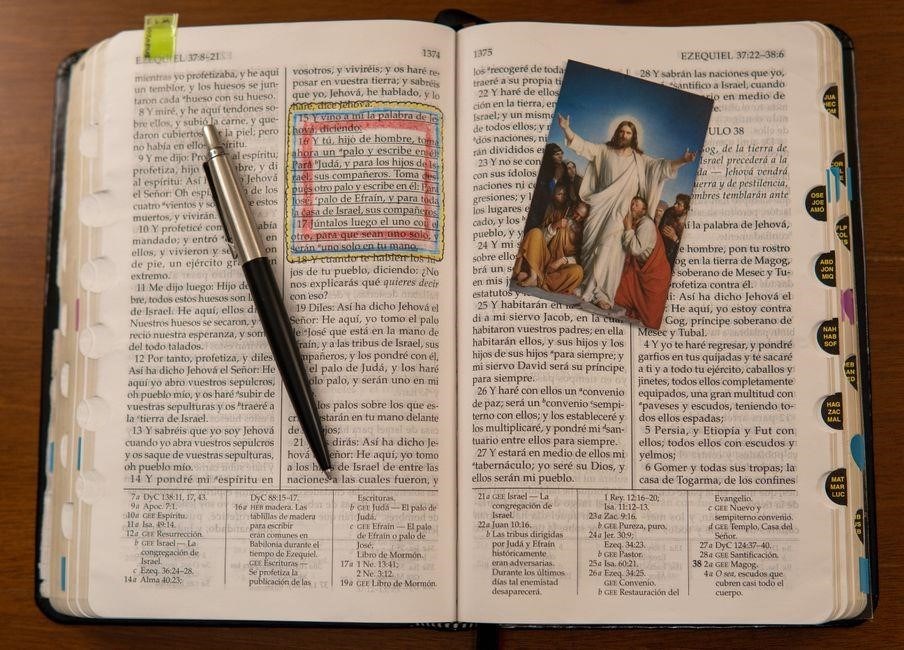
During the Liturgy of the Hours, the Seven Words are recited in the Office of the Dead, inviting the faithful to meditate on Christ’s mercy․ In the Mass, the priest may read the words aloud, linking them to the Eucharistic sacrifice․ The PDF’s reflection is often used in homily preparation, providing a concise theological framework that helps clergy contextualize the Passion within the liturgical calendar․ The practice encourages congregants to internalize the call to forgiveness and to live out the love demonstrated on Cross․

Content Analysis of the PDF
The PDF offers a brief meditation on Jesus’ seven words, emphasizing forgiveness, mercy, suffering, and redemption․ It follows the Passion’s chronology, posing reflective questions that invite readers to contemplate Christ’s final utterances and their personal meaning for faith․?
Key Themes: Forgiveness, Mercy, Suffering, Redemption
The Siete‑Palabras PDF distills the profound theological currents that flow through Jesus’ final utterances, offering a compact yet resonant meditation on four interlocking themes: forgiveness, mercy, suffering, and redemption․ In the first line, “Padre, perdóname” the text foregrounds forgiveness as an act of divine grace that transcends human limitations․ It invites readers to consider the paradox of asking forgiveness while simultaneously offering it to those who inflicted pain, thereby illustrating the reciprocal nature of mercy․ The subsequent phrase, “Padre, perdónalos porque no saben lo que hacen,” expands the scope of mercy beyond the individual to encompass the collective ignorance that fuels sin, urging believers to extend compassion even to the unknowing oppressor․ Suffering is addressed in the line “Yo estoy aquí, yo estoy allí,” which underscores the universality of pain and the shared experience of crucifixion․ The PDF frames suffering as a conduit for spiritual growth, encouraging readers to confront their own hardships with humility and faith․ Finally, redemption is encapsulated in the promise that “la misericordia de Dios es infinita,” positioning Christ’s sacrifice as the ultimate act of redemption that transforms suffering into hope․ The text’s structure—alternating direct quotations with reflective prompts—creates a rhythmic journey that mirrors the Passion’s progression, allowing readers to immerse themselves in each theme while maintaining a personal connection to the narrative․ By weaving these four themes together, the PDF offers a holistic lens through which to view the crucifixion, inviting a deeper appreciation of the theological richness embedded in the seven words and their enduring relevance for contemporary spirituality․ Thus, the PDF serves as a concise yet profound guide, inviting believers to internalize each word and live out the call to mercy and redemption in everyday life!!!
Narrative Structure and Language

The PDF presents a tightly woven narrative that mirrors the progression of Christ’s final utterances, employing a rhythmic alternation between direct quotations and reflective commentary․ Beginning with the plea “Padre, perdóname,” the text immediately establishes a personal dialogue, inviting readers to enter into a conversation with the divine․ Each subsequent phrase—“Padre, perdónalos porque no saben lo que hacen,” “Yo estoy aquí, yo estoy allí,” and the final assurance of infinite mercy—serves as a thematic node, punctuated by brief pauses that encourage contemplation․ The language is deliberately simple yet evocative, using everyday Spanish terms that resonate with a broad audience while preserving theological depth․ The author’s choice of verbs—“perdóname,” “perdónalos,” “perdona”—creates a cumulative sense of grace, emphasizing the progressive nature of forgiveness․ Stylistically, the PDF adopts a quasi‑liturgical cadence, echoing the rhythm of traditional prayer while remaining accessible․ The structure also reflects the Passion narrative’s arc: initial plea, acknowledgment of sin, acceptance of suffering, and ultimate redemption․ By juxtaposing the words with reflective prompts, the PDF transforms passive reading into active meditation, guiding the reader to internalize each phrase and apply it to personal experience․ This narrative design, coupled with the accessible language, makes the PDF an effective tool for both individual devotion and communal reflection, bridging ancient scripture and contemporary spiritual practice․ Readers are invited to revisit these words, letting grace shape days!!․

Cultural Impact and Reception
The PDF has sparked discussions in Spanish‑speaking churches, inspiring homilies that emphasize mercy․ Pilgrims use it during Lent, and scholars cite its concise language in academic papers on contemporary spirituality․
In media sparked faith debates on modernity now
Influence on Contemporary Spirituality
The Siete‑Palabras PDF has become a catalyst for modern spiritual practice, especially within Spanish‑speaking communities․ Its concise meditation on Jesus’ final utterances—“Padre, perdónalos” and the subsequent calls to forgiveness—offers a framework for daily reflection․ Many churches incorporate the text into Lenten services, using it as a prompt for confession and communal prayer․ Online forums and social media groups share excerpts, encouraging believers to post daily verses and discuss how the words shape personal repentance․ The PDF’s emphasis on mercy resonates with contemporary movements that prioritize restorative justice and compassionate outreach, aligning the ancient message with current social concerns․ Additionally, the document has been cited in academic articles on liturgical renewal, highlighting its role in bridging traditional catechesis with modern theological discourse․ Some theologians argue that the text’s brevity allows for adaptable use in both formal liturgy and informal meditation apps, thereby expanding its reach beyond the church walls․ Critics, however, note that the translation’s poetic liberties may obscure doctrinal nuance, prompting further scholarly debate․ Overall, the Siete‑Palabras PDF has sparked a renewed interest in the power of spoken grace, influencing how believers experience and express faith in everyday life․
Readers often share personal testimonies, noting how the brief words have reshaped their daily prayers and community outreach․ The PDF’s accessibility in digital format encourages widespread use, allowing individuals to revisit the reflection during moments of stress or contemplation, thereby deepening their spiritual journey․ It also invites contemplation of mercy to
Critiques and Scholarly Discussions
The Siete‑Palabras PDF has sparked debate․ Scholars note that its translation simplifies theological concepts, the depth of Christ’s words․ That the text’s emphasis on forgiveness may overlook the crucifixion, to a reading that conflicts with Catholic doctrine․ The PDF’s lack of footnotes and apparatus makes it for theologians to reference biblical passages, raising concerns exegetical․ Praise the document for its pastoral sensitivity, noting that concise language invites lay readers into deeper contemplation․ However, others caution that the absence of doctrinal commentary could result in misinterpretation, especially among younger audiences․ The debate extends to liturgical use: while many parishioners find the reflection spiritually enriching, liturgists worry that its informal tone may not align with the solemnity of the Passion narrative․ The PDF has also been discussed in the context of digital evangelization, with commentators weighing its potential to reach a global audience against the risk of cultural misappropriation․ Overall, the scholarly conversation underscores the tension between accessibility and theological precision, urging future editions to incorporate rigorous exegesis while preserving the text’s devotional appeal․ Moreover, ecumenical scholars have highlighted the PDF’s potential to foster interfaith dialogue, noting that its focus on mercy resonates with shared values across Christian denominations․ Yet, this same universal appeal may dilute denominational distinctives, prompting discussions about contextual fidelity․ The document’s digital format also raises questions about intellectual property and the ethics of freely distributing theological materials․ Some argue that open access promotes evangelization, while others fear that unmoderated use could lead to doctrinal drift․ These multifaceted critiques illustrate the complex interplay between devotional practice, academic rigor, and cultural sensitivity that the Siete‑Palabras PDF embodies․

Practical Application for Readers
Use the PDF to set reflection times, read each word, ask: “What does this say about forgiveness?” Write a journal entry, share with a group, and incorporate the phrase into a morning prayer․ This practice deepens personal repentance and communal solidarity․Invite friends
Personal Reflection Exercises
Open the Siete‑Palabras PDF and select one of the seven words․ Read it aloud, then pause and ask: “Which part of my life does this word echo?” Write a short note in a journal, noting any memories or emotions that surface․ Next, craft a personal prayer asking God for the grace to forgive those who have wronged you, mirroring the mercy offered in the text; Repeat this exercise for each of the seven words, allowing the reflection to deepen over several days․
After completing the seven rounds, choose one word that resonated most strongly․ Write a brief essay (150–) explaining why it struck you, how it challenges your current attitudes, and what concrete steps you can take to embody its message․ Share this essay with a trusted friend or small group, inviting them to discuss how the word has shifted their perspective on suffering, redemption, or divine compassion․
Finally, integrate the reflection into your daily devotion by setting a reminder to read one word each morning․ Use a meditation app or a simple sticky note to prompt you to pause, breathe, and silently repeat the word, allowing it to anchor your thoughts for the day․ This cycle of reading, journaling, praying, writing, sharing, and daily meditation transforms the PDF’s contemplative content into an active, ongoing spiritual practice that nurtures humility, compassion, and a deeper connection to the mystery of the crucifixion․
The seven words mirror divine love, inviting dialogue with the cross․ Engaging each phrase lets its lessons touch every moment of your journey daily․
Integration into Daily Devotion

Begin each morning by opening the Siete‑Palabras PDF and selecting a single word to focus on․ As you read it aloud, let the sound settle in the quiet of your heart, allowing the word to become a living echo that follows you through the day․ After the reading, place a small, colored sticky note on your bathroom mirror or on the refrigerator, reminding you to pause and reflect whenever you encounter a moment of stress or kindness․
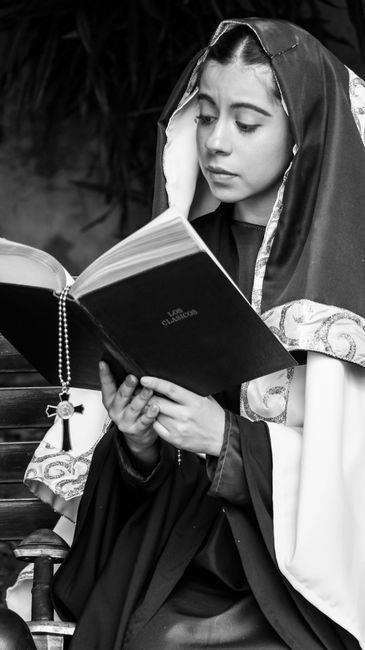
In the afternoon, set a gentle alarm on your phone to trigger a brief meditation․ Close your eyes, breathe deeply, and silently repeat the chosen word, inviting it to guide your thoughts toward forgiveness, mercy, or gratitude․ Use this pause to note any sudden insights in a small notebook, creating a personal log that tracks how the word’s lesson shaped your reactions and emotions over time․
Evening prayers should include a short gratitude list, where you thank God for the moments when the word’s lesson manifested in your interactions․ Conclude with a brief, heartfelt prayer that asks for the strength to embody the word’s message in future choices, turning the reflection into a living practice rather than a one‑time study․
Finally, share your daily experience with a trusted friend or small group once a week․ Discuss how the word influenced your actions, and listen to others’ perspectives․ This communal exchange deepens the personal devotion, reinforcing the connection between the Siete‑Palabras PDF and everyday faith practice․
Keep a log on your phone, noting when the word resonates in conversation or decision․ Review it to spot areas needing grace․ This turns the PDF into a dialogue with God, your commitment daily to mercy!