Welbilt Bread Machine Instructions: A Comprehensive Guide
Navigating Welbilt bread machine operation requires understanding specific models like ABM-100-4, ABM3500, and ABM2H52․ Resources, including Internet Archive manuals and Reddit communities, offer valuable support․
Welbilt bread machines, popular for home baking, offer convenience and consistent results․ Models like the ABM-100-4, ABM3500, ABM8200, ABM2H60, ABMY2K2, and ABM2H52 – ABMY2K1 cater to diverse baking needs․ Finding the correct manual is crucial, with resources like the Internet Archive providing free downloads․
Online communities, such as the Reddit r/HelpMeFind forum, assist in locating manuals for thrifted machines․ Understanding your specific model unlocks optimal performance and access to tailored recipes and troubleshooting guidance, ensuring delightful homemade bread․
Understanding Welbilt Model Numbers
Welbilt model numbers – such as ABM-100-4, ABM3500, ABM8200, ABM2H60, ABMY2K2, and ABM2H52/ABMY2K1 – are vital for accessing specific instructions and support․ Locating this number, typically on the control panel or machine’s base, unlocks tailored manuals from resources like the Internet Archive․
Correct identification ensures compatibility with recipes and troubleshooting advice․ Knowing your model is paramount for optimal performance and utilizing advanced features effectively, guaranteeing successful baking experiences․
Identifying Your Specific Welbilt Model (ABM-100-4, ABM3500, ABM2H52, etc․)
Pinpointing your Welbilt model is the first step to successful bread making․ Common models include ABM-100-4, ABM3500, ABM8200, ABM2H60, ABMY2K2, and ABM2H52/ABMY2K1․ The model number is usually found on a sticker located on the bottom or back of the machine, or sometimes around the control panel area․
This number is crucial for downloading the correct user manual and accessing model-specific troubleshooting tips and recipes․
Importance of Knowing Your Model Number
Your Welbilt bread machine’s model number unlocks access to vital information․ It ensures you download the correct user manual from resources like the Internet Archive, providing specific instructions for your machine․ Knowing the model allows for targeted troubleshooting – for example, bake times for an ABM 4100 are approximately 32 minutes․
Without it, you risk using incorrect settings or procedures, potentially impacting baking results and machine performance․
Safety Precautions
Prioritize safety when using your Welbilt bread machine․ Always adhere to general safety guidelines and electrical safety instructions to prevent hazards․ The manual, available via the Internet Archive, details crucial precautions․ Ensure proper ventilation during operation․ Never immerse the appliance in water․ Disconnect from the power source before cleaning․
Carefully review all safety information before first use to ensure safe and enjoyable bread-making experiences․
General Safety Guidelines
To ensure safe operation, always read the complete instruction manual before using your Welbilt bread machine․ Never operate the appliance with a damaged cord or plug․ Keep the machine on a stable, heat-resistant surface, away from flammable materials․ Avoid touching hot surfaces during or immediately after baking․
Supervise children when the machine is in use․ Allow the machine to cool completely before cleaning or storing․
Electrical Safety Instructions
Prioritize electrical safety when using your Welbilt bread machine․ Ensure the voltage of your outlet matches the appliance’s requirements․ Never immerse the machine, cord, or plug in water or other liquids․ Avoid using extension cords; if necessary, use a heavy-duty extension cord appropriately rated for the appliance’s wattage․
Always unplug the machine when not in use and before cleaning․ Do not operate if the power cord is damaged․
Components of Your Welbilt Bread Machine
Understanding your machine’s parts is crucial for successful baking․ The bread pan securely holds ingredients during mixing and baking․ A kneading paddle, essential for dough development, often gets stuck post-bake – a common issue․ The control panel governs cycles like Basic, French, and Whole Wheat, alongside crust control (Light, Medium, Dark)․
Familiarize yourself with each component before first use for optimal performance․
Bread Pan Overview
The bread pan is the heart of your Welbilt machine, designed to withstand the kneading and baking process․ It securely contains ingredients, ensuring even distribution during mixing․ Proper cleaning of the bread pan after each use is vital to prevent sticking and maintain hygiene․ Ensure it’s fully dry before each baking cycle․
Inspect for any damage before use, as a compromised pan can affect baking results․
Kneading Paddle Description
The kneading paddle, typically a single or double-hooked blade, is crucial for developing gluten in your dough․ It mixes and kneads ingredients, creating the structure for a perfect loaf․ Occasionally, the paddle may become stuck; gentle removal is key, avoiding force․

Regular cleaning prevents dough buildup, ensuring optimal performance․ Inspect for bends or breaks before each use, as damage impacts kneading efficiency․
Control Panel Explanation
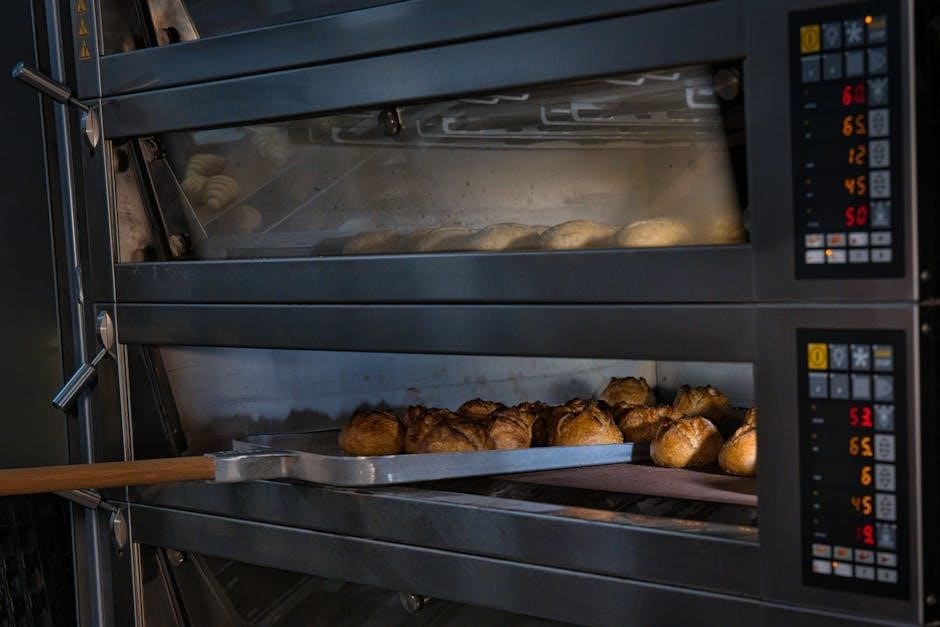
The Welbilt control panel features cycle selections – Basic, French, Whole Wheat – catering to diverse bread types․ Crust control allows for Light, Medium, or Dark crusts, customizing your loaf’s exterior․ A delay timer enables convenient, timed baking, perfect for fresh bread in the morning․
Understanding these functions is vital․ The model number dictates specific panel layouts, so referencing your manual is essential for optimal operation․
Setting Up Your Welbilt Bread Machine
Initial setup is crucial for optimal performance․ Begin with a thorough cleaning of the bread pan and kneading paddle, ensuring no residue remains․ Proper placement is key; position the machine on a stable, level surface with adequate ventilation around it․
Avoid obstructions that could interfere with airflow during operation․ This prevents overheating and ensures consistent baking results․ Refer to your specific model’s manual for detailed guidance․
Initial Cleaning Procedures
Before first use, carefully wash the bread pan and kneading paddle with warm, soapy water․ Ensure all manufacturing residues are removed․ A non-abrasive sponge is recommended to prevent scratching the non-stick coating․ Thoroughly dry all components before reassembling them into the bread machine․
Wipe down the exterior of the machine with a damp cloth․ Avoid getting water inside the unit․ This initial cleaning prepares your Welbilt for successful bread making!
Proper Placement and Ventilation
Position your Welbilt bread machine on a flat, stable surface, away from water sources and flammable materials․ Ensure adequate ventilation around the machine – at least four inches on all sides – to prevent overheating during operation․ Avoid placing it under cabinets or near curtains․
Proper airflow is crucial for optimal performance and longevity․ Do not obstruct the ventilation openings․ This ensures safe and efficient bread baking!
Basic Bread Making Instructions
Successful bread making with your Welbilt machine hinges on precise ingredient measurement and order․ Typically, liquids are added first, followed by dry ingredients, with yeast last – avoiding direct contact with liquids․ Carefully add ingredients to the bread pan, ensuring accurate proportions for optimal results․
Refer to your model’s manual for specific recommendations․ Consistent ingredient quality and accurate measurements are key to a perfect loaf!
Ingredient Measurement and Order
Precise measurements are crucial for Welbilt bread machine success․ Liquids—water, milk—go in first, followed by dry ingredients like flour, sugar, and salt․ Yeast is added last, often placed on top of the flour, ensuring it doesn’t prematurely activate by contacting liquids․
Using measuring cups and spoons is vital․ Refer to your recipe and model’s manual for specific quantities․ Accurate order and amounts guarantee a well-risen, flavorful loaf!
Adding Ingredients to the Bread Pan
Carefully place the bread pan into the Welbilt machine․ Pour in the liquids first, then add the dry ingredients, ensuring even distribution․ Create a small well in the flour and add the yeast, preventing direct contact with liquids until the mixing cycle begins․
Securely lock the bread pan into the machine․ Double-check ingredient order and quantities before starting the cycle for optimal results and a perfectly baked loaf․
Control Panel Functions
Welbilt control panels offer diverse cycles – Basic, French, and Whole Wheat – catering to various bread preferences․ Utilize the Crust Control settings (Light, Medium, Dark) to achieve your desired crust color and texture․ The Delay Timer allows convenient, pre-programmed baking, ensuring fresh bread when you need it․
Familiarize yourself with each function for optimal bread-making․ Experiment with settings to personalize your loaves and unlock the full potential of your Welbilt machine․
Cycle Selection (Basic, French, Whole Wheat, etc․)
Welbilt bread machines feature pre-programmed cycles for diverse bread types․ The ‘Basic’ cycle suits everyday loaves, while ‘French’ creates crustier bread․ ‘Whole Wheat’ optimizes for denser, nutritious loaves․ Explore additional cycles, if available on your model, for specialty breads like sweet or gluten-free options․
Selecting the correct cycle ensures proper kneading, rising, and baking times, resulting in consistently delicious results․ Refer to your manual for specific cycle details and recommended ingredient ratios․
Crust Control Settings (Light, Medium, Dark)
Welbilt bread machines offer crust control settings to customize your loaf’s exterior․ ‘Light’ produces a pale, soft crust, ideal for sandwiches․ ‘Medium’ delivers a balanced color and texture, suitable for general use․ ‘Dark’ creates a deeply browned, crispy crust for those who prefer a robust flavor and texture․
Experiment with settings to achieve your preferred crust․ Baking time may slightly vary depending on the selected darkness level, impacting the final loaf’s overall appearance․
Delay Timer Operation
Welbilt’s delay timer allows convenient, freshly baked bread whenever you desire․ First, select your desired cycle (Basic, French, etc․)․ Then, use the ‘Hour’ and ‘Minute’ buttons to set the finish time, not the baking duration․ Ensure ingredients, especially yeast, are added correctly to prevent spoilage during the delay․
Avoid using perishable ingredients for extended delays․ The machine will automatically begin baking at the programmed finish time, delivering warm bread precisely when you need it․
Troubleshooting Common Issues
Common problems with Welbilt bread machines include bread failing to rise – often due to old yeast or incorrect ingredient ratios․ A stuck kneading paddle can be dislodged after cooling, but avoid forceful removal․ Burned crusts usually indicate a setting that’s too high; reduce the crust control to ‘Light’ or ‘Medium․’
Refer to online resources like Reddit communities for shared solutions․ Always ensure proper ingredient measurement and machine placement for optimal results․
Bread Not Rising Properly
Insufficient rise in your Welbilt bread machine loaf frequently stems from expired or inactive yeast․ Verify the yeast’s freshness by proofing it in warm water with a pinch of sugar before adding to the ingredients․ Incorrect ingredient measurements, particularly too much salt, can also inhibit yeast activity․

Ensure the machine’s temperature is adequate and the environment isn’t too cold․ Consider a slightly warmer liquid for initial mixing to encourage activation․
Paddle Stuck in Bread
A kneading paddle firmly lodged within the finished loaf is a common Welbilt bread machine issue․ Typically, this occurs when the dough is excessively sticky or hasn’t fully detached during the cooling cycle․ Avoid interrupting the baking process prematurely, allowing the machine to complete all phases․
After cooling, gently use a non-metallic utensil to dislodge the paddle․ A small amount of cooking spray on the paddle stem can prevent future sticking․
Burned Crust
A darkened or burned crust often indicates an excessively long baking cycle or a crust control setting that’s too high․ For models like the ABM 4100, the total bake time is approximately 32 minutes on a medium-large crust setting․
Reduce the crust setting to ‘light’ or ‘medium’ for subsequent loaves․ Ensure proper ventilation around the machine, as overheating can contribute to burning․ Monitor the bread during the final baking stages․
Recipes for Welbilt Bread Machines
Welbilt bread machines excel at creating diverse loaves․ Begin with a basic white bread recipe, adjusting ingredient amounts to suit your preference․ Explore whole wheat options for a healthier alternative, and venture into sweet breads with additions like raisins or cinnamon․
Remember to carefully measure ingredients and follow the recommended order for optimal results․ Experimentation is encouraged, but start with proven recipes for consistent outcomes․
Basic White Bread Recipe
For a classic loaf, combine 1 ¼ cups warm water, 3 cups bread flour, 2 tablespoons sugar, 1 ½ teaspoons salt, and 2 ¼ teaspoons active dry yeast in your Welbilt machine’s bread pan․ Select the ‘Basic’ cycle and a ‘Medium’ crust setting․ Ensure ingredients are added in the correct order – liquid first, then dry, with yeast last, avoiding direct contact with salt․
This yields a standard-sized loaf, perfect for sandwiches or toast․ Enjoy!
Whole Wheat Bread Recipe
To create a nutritious loaf, combine 1 cup warm water, 1 cup whole wheat flour, 2 cups bread flour, 2 tablespoons molasses, 1 ½ teaspoons salt, and 2 ¼ teaspoons active dry yeast within the bread pan․ Utilize the ‘Whole Wheat’ cycle and a ‘Medium’ crust setting for optimal results․ Remember the ingredient order: liquids, then dry, with yeast added last, separate from salt․
This recipe delivers a hearty, flavorful bread, ideal for a wholesome diet․
Sweet Bread Recipe
For a delightful treat, blend 1 cup milk, ¼ cup sugar, ¼ cup butter (softened), 1 egg, 3 cups bread flour, 2 teaspoons active dry yeast, and ½ teaspoon salt in the bread pan․ Add optional ingredients like raisins or cinnamon․ Select the ‘Basic’ cycle and a ‘Medium’ crust setting․ Ensure ingredients are properly measured for consistent results․
This recipe yields a soft, sweet bread perfect for breakfast or dessert․
Advanced Features and Techniques
Welbilt machines offer versatility beyond basic loaves․ Utilize the ‘Dough’ cycle for preparing pizza or roll dough, allowing manual shaping and baking․ Enhance flavors by carefully adding fruits, nuts, or seeds during the second kneading phase – avoid overloading the pan․ Experiment with different flour types for varied textures․
Mastering these techniques unlocks the full potential of your bread maker!
Using the Dough Cycle
The Dough cycle is ideal for recipes requiring manual shaping and baking, like pizzas, rolls, or pretzels․ Select this cycle on your Welbilt machine; it handles kneading and the first rise․ After completion, gently remove the dough from the pan․ Allow a short rest before shaping․ Remember, this cycle doesn’t bake – you’ll need to finish in a conventional oven!
Perfect for customized baked goods beyond standard loaves․
Adding Fruits, Nuts, and Seeds
Enhance your bread with additions! Add fruits (dried is best), nuts, or seeds during the second kneading cycle, signaled by the machine’s beep․ This ensures even distribution without hindering the initial rise․ Avoid large quantities, as they can affect the loaf’s texture․ A typical amount is between ¼ to ½ cup․ Consider chopped ingredients for better incorporation․ Experiment with flavors – cranberries, walnuts, or sunflower seeds are excellent choices!
Cleaning and Maintenance
Regular cleaning extends your Welbilt’s lifespan․ Always unplug the machine before cleaning․ The bread pan and kneading paddle are typically non-stick and can be washed with warm, soapy water․ Wipe down the exterior with a damp cloth; avoid immersion․ Ensure all parts are thoroughly dry before reassembling․ Avoid abrasive cleaners, which can damage the non-stick coating․ Consistent maintenance prevents buildup and ensures optimal performance for years of delicious homemade bread․
Cleaning the Bread Pan and Paddle
Thorough cleaning of the bread pan and paddle is crucial․ After each use, remove them and wash with warm, soapy water․ The non-stick coating requires gentle handling; avoid abrasive scrubbers․ Stubborn residue can be loosened with a brief soak․ Ensure both are completely dry before reinserting into the machine․ Proper cleaning prevents sticking and maintains optimal baking performance, extending the life of these essential components․
Wiping Down the Exterior
Maintaining a clean exterior enhances your Welbilt bread machine’s appearance and longevity․ Regularly wipe down the machine’s housing with a damp, soft cloth․ Avoid harsh chemicals or abrasive cleaners, as these can damage the finish․ Pay attention to the control panel, removing any crumbs or spills promptly․ A clean exterior contributes to a hygienic baking environment and preserves the machine’s aesthetic appeal for years to come․
Specific Model Instructions
Welbilt offers diverse models, each with nuances․ The ABM-100-4 manual is available on the Internet Archive․ For ABM3500/ABM8200/ABM2H60/ABMY2K2, the same archive provides resources․ The ABM2H52 ー ABMY2K1 model’s manual details safety and operation․ Finding the correct manual is crucial; Reddit’s r/HelpMeFind can assist if you’re missing yours․ Model-specific instructions ensure optimal performance and bread quality, addressing unique features․
Welbilt ABM-100-4 Instructions
The Welbilt ABM-100-4 benefits from a readily available user manual on the Internet Archive, offering comprehensive guidance․ Users should prioritize reviewing this resource for safe and effective operation․ The heating element activates around the 50-minute mark during a typical cycle, completing the loaf in approximately 32 minutes on a medium crust setting․ Proper ingredient order and measurement are vital for successful baking with this model;
Welbilt ABM3500/ABM8200/ABM2H60/ABMY2K2 Instructions
These Welbilt models – ABM3500, ABM8200, ABM2H60, and ABMY2K2 – share similar functionalities and can often utilize the same operational guidance․ The Internet Archive hosts a dedicated manual for these machines, providing detailed instructions․ Users encountering difficulties locating specific information can also seek assistance from online communities․ Remember to consult the manual for optimal ingredient ratios and cycle selections to achieve desired baking results․
Welbilt ABM2H52 — ABMY2K1 Instructions
For Welbilt models ABM2H52 and ABMY2K1, a downloadable PDF manual is readily available online․ This document comprehensively covers safety precautions and detailed operating instructions․ It’s crucial to review these guidelines before initial use to ensure proper functionality and prevent potential issues․ The manual outlines procedures for ingredient measurement, cycle selection, and achieving optimal baking results with these specific bread machine models․ Prioritize safety and refer to the manual consistently․
Understanding Bake Times
Bake times vary by Welbilt model and settings; however, the ABM 4100 typically completes a loaf in approximately 32 minutes when set to a medium crust․ The heating element activates around the 50-minute mark on the timer, initiating the final baking phase․ Monitoring the process and adjusting crust control settings are key to achieving desired results․ Consistent bake times depend on accurate ingredient measurements and proper cycle selection for optimal bread texture․
Typical Bake Time for ABM 4100 (approx․ 32 minutes)
For the Welbilt ABM 4100 model, a standard baking cycle, utilizing a medium crust setting, generally concludes within approximately 32 minutes․ The heating element typically engages around the 50-minute mark of the overall timer sequence; This timeframe allows for sufficient rising, kneading, and baking to produce a fully cooked loaf․ Remember, slight variations can occur based on ambient temperature and ingredient proportions, so monitoring is advised․
Finding Replacement Parts
Locating replacement parts for your Welbilt bread machine can prove challenging due to its age and discontinued production․ Online marketplaces like eBay often host used parts from salvaged machines․ Checking appliance repair shops might yield compatible components, though direct Welbilt parts are scarce․ Thoroughly research part numbers and compatibility before purchasing․ Online forums and Reddit communities dedicated to bread machines can also provide valuable leads and shared resources for sourcing needed replacements․
Resources and Support
For assistance with your Welbilt bread machine, the Internet Archive provides a wealth of downloadable user manuals for various models, including the ABM-100-4 and ABM3500․ The Reddit community r/HelpMeFind can be invaluable for locating hard-to-find manuals or troubleshooting advice․ Exploring online appliance repair forums and searching for Welbilt-specific groups may also connect you with experienced users willing to share knowledge and support․
Internet Archive Manuals
The Internet Archive hosts a significant collection of Welbilt bread machine manuals, freely available for download, borrowing, or streaming․ You can find resources for models like the ABM-100-4 and ABM3500 through their platform․ These digitized manuals offer detailed instructions, safety precautions, and troubleshooting tips․ Accessing these resources is often as simple as a quick search on the Internet Archive website, providing a valuable support system for owners․
Reddit Communities (r/HelpMeFind)
The r/HelpMeFind subreddit can be a surprisingly effective resource for locating Welbilt bread machine manuals․ Users frequently post requests for obscure or lost documentation, including manuals for models like the ABM 350-3․ This community-driven approach often uncovers shared files or leads to helpful links․ Engaging with the subreddit might connect you with other Welbilt owners who can provide assistance or share their own resources․