
How to Reset Your Accu-Chek Guide Me Meter: A Comprehensive Guide
This guide details resetting your Accu-Chek Guide Me meter, covering battery installation, code chip matching, and troubleshooting common errors like E-7 and E-9․
Understanding Accu-Chek Guide Me Meter Errors
Accu-Chek Guide Me meters, while reliable, can display error codes indicating issues requiring attention․ These errors aren’t necessarily indicative of a serious malfunction, often stemming from simple causes like low batteries or incorrect code chip matching․ Understanding these signals is crucial for accurate blood glucose monitoring and avoiding incorrect readings․
Common errors, such as E-7 and E-9, frequently appear after a battery change, suggesting a temporary system disruption․ The meter employs a 24-bit address codification and code-hopping technology for high reliability, changing the transmitting code with each key press․ However, this sophisticated system can sometimes require a reset to re-establish proper functionality․
Before assuming a hardware fault, users should systematically check battery installation, code chip compatibility, and attempt a reset of the minimum/maximum values․ Proper system setup and initial configuration, as outlined in the user manual, are also vital for error prevention․ Addressing these potential issues proactively ensures consistent and dependable performance․
Common Error Codes and Their Meanings (E-7, E-9)
The Accu-Chek Guide Me meter utilizes error codes to communicate system status․ Two frequently encountered codes are E-7 and E-9․ The E-7 error typically signals an issue with the test strip or its connection, though it often appears immediately after replacing batteries, indicating a system initialization problem․ It doesn’t necessarily mean the strip is faulty․
Conversely, the E-9 error often points to a communication problem between the meter and the code chip․ This can occur if the chip isn’t properly inserted or isn’t compatible with the meter․ The meter’s code-hopping technology, designed for security, might also contribute if the system hasn’t fully synchronized after a battery change․
Both codes suggest a need for troubleshooting, starting with verifying battery polarity and ensuring the correct code chip is matched․ Removing and reinserting both the batteries and the code chip can often resolve these issues․ If the errors persist, a full system reset, as detailed in the user manual, is recommended․
Battery Installation and Replacement
Proper battery function is crucial for the Accu-Chek Guide Me meter’s operation․ The meter requires two 1․5V AA batteries for power․ When installing or replacing batteries, always ensure you’re using the correct type – alkaline AA batteries are recommended for optimal performance and longevity․ Avoid using rechargeable or lithium batteries, as they may deliver inconsistent voltage․
Pay close attention to battery polarity․ The battery compartment is clearly marked with positive (+) and negative (-) symbols․ Incorrect polarity can damage the meter and prevent it from functioning correctly․ A secure fit is also essential; ensure the batteries are firmly seated in the compartment․
After battery replacement, the meter may require a system reset or code chip re-matching to function properly, especially if error codes like E-7 or E-9 appear․ Refer to the user manual for detailed instructions on these procedures․ Regularly check battery levels to avoid interruptions in glucose monitoring․
Correct Battery Type (AA)
The Accu-Chek Guide Me meter is specifically designed to operate with standard 1․5V AA alkaline batteries․ Utilizing the correct battery type is paramount for accurate readings and reliable meter performance․ Deviating from this specification – such as using rechargeable, lithium, or other voltage batteries – can lead to inaccurate results, meter malfunction, or even permanent damage to the device․
Alkaline AA batteries provide a stable and consistent voltage output, ensuring the meter’s internal components receive the necessary power to function correctly․ While other battery types might initially seem to work, their differing voltage characteristics can compromise the meter’s precision over time․
Always verify the battery type before installation․ Look for the “AA” designation and the 1․5V voltage marking on the battery itself․ Using the correct AA alkaline batteries guarantees optimal performance and prolongs the lifespan of your Accu-Chek Guide Me meter․
Proper Battery Polarity
Ensuring correct battery polarity is crucial when installing or replacing batteries in your Accu-Chek Guide Me meter․ Incorrect polarity – inserting the batteries backward – will prevent the meter from powering on and could potentially cause irreversible damage to the internal circuitry․ The battery compartment is clearly marked with positive (+) and negative (-) symbols․
Always align the positive end of the battery with the positive (+) symbol within the compartment, and the negative end with the negative (-) symbol․ Double-check this alignment before fully inserting the batteries․ A slight misalignment can be enough to disrupt the connection and render the meter unusable․
If the meter fails to power on after battery installation, the first step in troubleshooting should be to verify the battery polarity․ Remove the batteries, re-examine the markings, and reinsert them with careful attention to the correct orientation․ Proper polarity guarantees safe and reliable operation of your Accu-Chek Guide Me meter․
Code Chip Matching Process
The Code Chip matching process is essential for accurate blood glucose readings with your Accu-Chek Guide Me meter․ This process synchronizes the meter with the test strip code printed on the vial, ensuring compatibility and correct calibration․ After inserting a new vial of test strips, the meter will typically prompt you to match the code․
If the meter doesn’t automatically prompt, you may need to initiate the code chip matching manually through the system setup menu․ The user manual provides detailed instructions on navigating this menu․ Enter the code printed on the vial carefully, ensuring accuracy․ A mismatch will lead to inaccurate results․
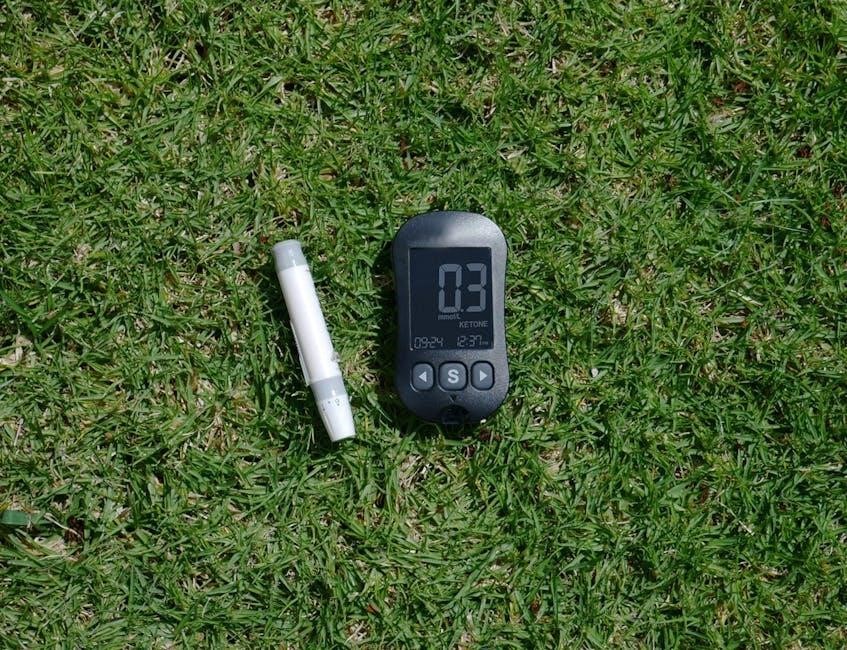
Accu-Chek utilizes “Code-Hopping” technology, changing the transmitting code with each key press for high reliability and security․ This feature, alongside correct code matching, contributes to the meter’s precision․ Regularly verify the code chip matches whenever you change test strip vials to maintain accurate glucose monitoring․
Resetting Minimum/Maximum Values
Your Accu-Chek Guide Me meter stores minimum and maximum blood glucose values recorded since the last reset․ Over time, these values can become outdated or irrelevant, potentially skewing your understanding of your glucose trends․ Resetting these values provides a fresh starting point for tracking your readings․
To reset the minimum/maximum values, navigate to the system setup menu on your meter․ The user manual (version 2b) details the exact steps, typically involving selecting a “Reset” or “Delete MIN/MAX” option․ Confirm your selection to clear the stored data․ This process does not erase your entire memory; it only affects the minimum and maximum recorded values․
Regularly resetting these values – perhaps monthly or quarterly – ensures you’re analyzing current data․ This is particularly useful if you’ve made significant changes to your diet, medication, or lifestyle, as it provides a more accurate reflection of your current glucose control․
System Setup and Initial Configuration

Proper initial configuration is crucial for accurate readings with your Accu-Chek Guide Me meter․ Before first use, or after a significant reset, carefully follow the instructions in the user manual (v2b) to set up the system correctly․ This includes setting the date and time, which are essential for accurate data logging and trend analysis․
Crucially, you must also perform the code chip matching process․ This links the test strips to your meter, ensuring compatibility and reliable results․ The manual details how to insert the code chip and confirm its recognition by the device․ Incorrect code chip matching will lead to inaccurate glucose measurements․
Additionally, familiarize yourself with the meter’s settings, such as pre-flash settings (1-10) and block time, to customize it to your preferences․ Proper setup minimizes errors and maximizes the meter’s functionality, contributing to effective diabetes management․
Troubleshooting Error Codes After Battery Change
If error codes, particularly E-7 or E-9, persist after a battery replacement, several troubleshooting steps are necessary․ Simply changing the batteries doesn’t always resolve the issue; a full reset might be required․ First, ensure you’ve used the correct AA battery type and installed them with the proper polarity – a common oversight․
If the error persists, attempt a complete system reset by removing and reinserting the code chip․ This forces the meter to re-establish communication․ Check the user manual for specific reset procedures, as these can vary slightly․ A faulty code chip can also trigger these errors, so consider testing with a known-good chip if available․
Remember the meter utilizes “Code-Hopping” technology for security; a reset can sometimes disrupt this․ If problems continue, consult the downloadable user manuals and specifications for advanced troubleshooting or contact Accu-Chek support․
Addressing E-7 Error Code
The E-7 error code on the Accu-Chek Guide Me meter typically indicates a communication issue between the meter and the test strip․ Initial troubleshooting involves verifying the correct test strip is being used and that it hasn’t expired․ Ensure your hands are clean and dry when handling the strip to avoid contamination․
If the problem continues, try re-inserting the code chip to re-establish communication․ A faulty or improperly seated chip can trigger this error․ Also, confirm the battery polarity is correct after a recent change, as incorrect installation can cause intermittent errors․
A complete system reset, as detailed in the user manual, can sometimes resolve persistent E-7 errors․ If none of these steps work, downloading the latest user manual or contacting Accu-Chek support for further assistance is recommended․ The 24-bit address codification might need recalibration․
Addressing E-9 Error Code
The E-9 error code on the Accu-Chek Guide Me meter signals a problem with the test strip itself, often indicating it’s damaged or improperly inserted․ First, carefully remove and re-insert a new test strip, ensuring it clicks firmly into place․ Avoid touching the test area of the strip with your fingers․
If the error persists with multiple new strips, check the code chip is correctly matched to the test strip batch․ A mismatch can cause communication failures․ Verify the battery is correctly installed with the proper polarity, as low battery power can sometimes manifest as an E-9 error․
Performing a system reset, as outlined in the user manual, can sometimes clear the error․ If the issue remains unresolved, consult the user manual for detailed troubleshooting steps or contact Accu-Chek customer support for further guidance․ Code-hopping technology may require a reset․
Power Supply and Adapter Information
The Accu-Chek Guide Me meter primarily operates on two AA batteries (1․5V)․ Ensure correct battery polarity during installation – improper insertion can damage the device and prevent accurate readings․ When using an AC power adapter, verify it’s compatible with the meter’s specifications to avoid electrical issues․
To remove the adapter plug, press the release button on the adapter itself and gently pull it away from the meter․ Regularly check the batteries, especially if using the meter frequently, as low power can trigger error codes like E-7 or E-9․ A stable power supply is crucial for reliable operation․

Refer to the user manual for specific adapter voltage and amperage requirements․ Using an incorrect adapter could void the warranty․ Periodically inspect the adapter cord for damage, and replace it if frayed or damaged to prevent potential hazards․

Understanding Code-Hopping Technology
The Accu-Chek Guide Me meter utilizes advanced Code-Hopping technology, a security feature designed to prevent unauthorized access and ensure data integrity․ This system employs a 24-bit address codification, dynamically changing the transmitting code with each key press․ This frequent code alteration significantly enhances security against potential interference or cloning attempts․
Code-Hopping operates by generating a pseudo-random sequence of codes, making it exceptionally difficult for external devices to intercept or replicate the signal․ Multiple control panels can be linked to the system, benefiting from this robust security protocol․ This technology is vital for maintaining the confidentiality of your blood glucose readings․
While resetting the meter doesn’t directly impact Code-Hopping, ensuring proper code chip matching is essential for the system to function correctly․ This technology contributes to the overall reliability and trustworthiness of the Accu-Chek Guide Me meter․
Flow Meter SCVF and Volume Measurement
Although seemingly unrelated to resetting the Accu-Chek Guide Me meter, understanding flow meter technology provides context to precision measurement systems․ The SCVF (likely referring to a specific flow meter model) is designed for accurately measuring fluid flow, crucial in various industrial applications․ It’s an ideal solution when precise volume measurement is paramount․
These meters often feature programmable settings, including pre-flash numbers (ranging from 1 to 10) and block times, allowing customization for specific flow conditions․ Proper calibration and configuration are essential for reliable data․ While not directly applicable to glucose monitoring, the principles of accurate measurement underpin the functionality of the Accu-Chek system․
The SCVF’s precision highlights the importance of accurate readings, mirroring the need for a correctly functioning Accu-Chek meter․ Maintaining system integrity, whether in flow measurement or blood glucose testing, relies on reliable components and proper setup․
Downloading User Manuals and Specifications

Accessing the official Accu-Chek Guide Me user manual is crucial for troubleshooting and understanding reset procedures․ Roche, the manufacturer, provides downloadable guides and specifications through their support section online․ Specifically, version 2b of the Accu-Chek Guide Me Blood Glucose Meter User Manual is available, offering detailed instructions․
These manuals contain vital information regarding battery installation, mode settings, and the code chip matching process – all relevant to resolving meter errors․ They also outline the system setup and initial configuration steps, which can be helpful if a complete reset is needed․
Downloading the manual ensures you have the most up-to-date information directly from the source․ Referencing the official documentation is always recommended before attempting any reset or troubleshooting steps, ensuring accurate and safe operation of your meter․ It’s a valuable resource for understanding all features․
Accu-Chek Guide Me Meter and Automation Systems (ACCU Self-Propelled Vessels)
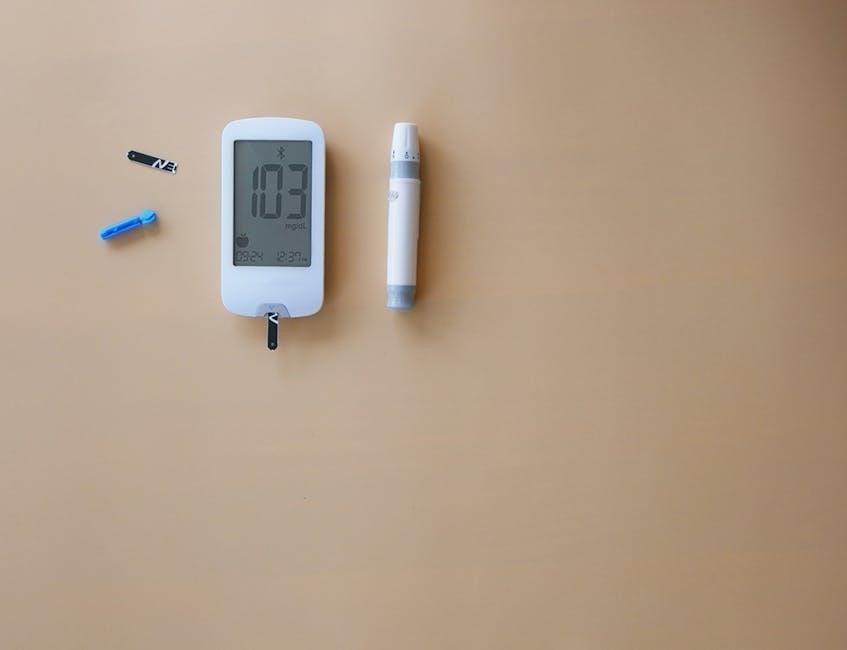
While seemingly unrelated, the “ACCU” name appears in contexts beyond blood glucose monitoring, notably in self-propelled vessels equipped with automation and remote monitoring systems․ These ACCU vessels utilize varying degrees of automation, allowing for periods of unmanned operation with propulsion control primarily managed from the navigation bridge․
The BV AUT-UMS system, installed in the machinery space, facilitates this automated operation and adheres to specific regulations․ However, this application of “ACCU” is distinct from the Accu-Chek Guide Me meter and doesn’t directly influence its reset procedures․

It’s important to differentiate between these applications of the “ACCU” brand․ Resetting your blood glucose meter involves battery checks, code chip verification, and following the steps outlined in the user manual – unrelated to maritime automation systems․ Confusing the two could lead to incorrect troubleshooting attempts․
TikTok Shop ACCU vs․ POP Store Differences
The distinction between ACCU and POP stores on TikTok Shop is relevant to purchasing the Accu-Chek Guide Me meter, but doesn’t directly relate to resetting it․ ACCU stores are generally managed by Chinese cross-border businesses operating as US-based entities, requiring a US business license for operation․
These stores are, in essence, localized versions of Chinese businesses, managed by Chinese entities․ POP stores, conversely, represent different operational structures within TikTok Shop․ Understanding this difference is crucial when sourcing supplies, but irrelevant to the technical process of resetting your meter․
Resetting your Accu-Chek Guide Me meter requires focusing on the device itself – battery installation, code chip matching, and error code resolution – not the platform where you purchased it․ The store type doesn’t impact the reset procedure outlined in the user manual․
Third-Party Battery Testing Software (Accu Battery, Aida 64)
While software like Accu Battery (Android) and Aida 64 (iOS) can assess battery health, they are not directly involved in resetting the Accu-Chek Guide Me meter․ These tools measure battery capacity and discharge rates, providing insights into battery performance, but they don’t initiate or influence the meter’s reset functions․
Resetting the meter involves a specific process detailed in the user manual – primarily focused on correct battery installation (AA batteries with proper polarity) and code chip matching․ These software applications can confirm if a weak battery might be causing errors, prompting a battery change as part of the reset process․

However, the actual reset – deleting MIN/MAX values or addressing error codes – is performed through the meter’s interface, not via third-party apps․ They are diagnostic tools, not reset mechanisms․
AccuWeather Accuracy and Reliability
AccuWeather’s reputation for weather forecasting accuracy is unrelated to resetting the Accu-Chek Guide Me blood glucose meter․ While AccuWeather utilizes sophisticated technology and data analysis to provide reliable weather information, this expertise doesn’t extend to medical device troubleshooting․
Resetting the meter requires following specific procedures outlined in the user manual, focusing on battery installation (using AA batteries with correct polarity), code chip matching, and addressing error codes like E-7 or E-9․ These steps are independent of external factors like weather conditions or weather forecasting services․
The meter’s functionality relies on internal components and proper configuration, not external environmental data․ Therefore, AccuWeather’s accuracy, though noteworthy, doesn’t play a role in resolving issues with the Accu-Chek Guide Me meter․