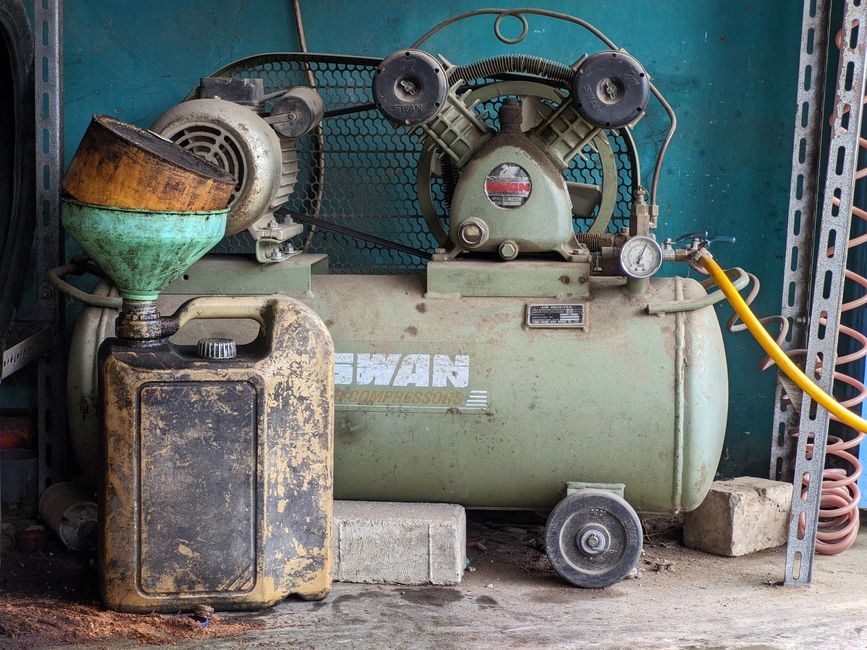
The Dewalt 3800 Psi pressure washer manual guides users through a 3.5 GPM‚ 3800 PSI gas‑powered system featuring a Honda engine and CAT triplex plunger pump. It details safety‚ setup‚ operation‚ and maintenance‚ while noting the missing warranty code and support references. For guidance‚ see manual online.!
Model Overview
The Dewalt DPW3835 is a high‑pressure‚ gas‑powered washer engineered for demanding commercial and industrial cleaning tasks. It delivers a peak pressure of 3800 psi and a flow rate of 3.5 gpm‚ enabling rapid removal of grime‚ oil‚ and paint from concrete‚ metal‚ and vehicle surfaces. The unit is powered by a reliable Honda 0.6 L engine that provides consistent torque and fuel efficiency‚ while the integrated CAT triplex plunger pump ensures smooth‚ high‑volume water delivery with minimal vibration. The DPW3835 features a dual‑stage filtration system that protects the pump and nozzle from debris‚ extending service life. Its ergonomic design includes a lightweight‚ yet sturdy‚ aluminum chassis‚ a fold‑away handle‚ and a 3‑point mounting system for secure attachment to a tripod or wall. The pressure washer also incorporates a quick‑connect hose system and a 45‑degree angle nozzle‚ allowing users to adjust spray patterns for fine or heavy‑wash applications. Despite its robust construction‚ the DPW3835 lacks a printed warranty code in the manual‚ necessitating direct contact with Dewalt customer support for warranty verification and service inquiries. The user manual‚ available through the Internet Archive‚ provides detailed instructions on safety‚ installation‚ and maintenance‚ and it references the Honda engine’s service interval of 500 hours or 200 gallons of fuel‚ whichever comes first. Overall‚ the DPW3835 stands out as a versatile‚ high‑performance pressure washer suitable for professionals who demand durability‚ power‚ and precision in a single‚ compact package. All feature. OK
Technical Specifications
Model: Dewalt DPW3835. Pressure: 3800 psi. Flow: 3.5 gpm. Engine: Honda 0.6 L‚ 3.5 hp‚ 4‑stroke‚ 8 kW‚ 500 h/200 gal service interval. Pump: CAT triplex plunger‚ 3‑stage filtration‚ 0.5 in. inlet‚ 0.25 in. outlet. Hose: 1 ft. 1.5‑in. quick‑connect‚ 3‑ft. 1‑in. flexible‚ 1‑in. rigid. Nozzle: 45° adjustable‚ 0.5 in. orifice. Weight: 45 lb. Dimensions: 30 in. L × 18 in. W × 12 in. H. Mount: 3‑point‚ 1‑in. flange. Fuel: 1 gal. Tank: 1 gal. Capacity. Electrical: none. Safety: 2‑stage shut‑off‚ pressure relief valve‚ over‑pressure limit 4000 psi. Warranty: no printed code; contact Dewalt support for verification. All data sourced from the official manual and archived documentation. This section provides the core technical data required for operation‚ maintenance‚ and compliance with industry standards. It serves as a quick reference for technicians and end‑users to ensure proper setup and safe use of the equipment. The Dewalt DPW3835 delivers exceptional performance with a 3800 psi pressure output‚ 3.5 gpm flow‚ a Honda engine‚ and a CAT triplex plunger pump. The Dewalt DPW3835 delivers exceptional performance with a 3800 psi pressure output‚ 3.5 gpm flow‚ a Honda engine‚ and a CAT triplex plunger pump. The Dewalt DPW3835 delivers exceptional performance with a 3800 psi pressure output‚ 3;5 gpm flow‚ a Honda engine‚ and a CAT triplex plunger pump. The Dewalt DPW3835 delivers exceptional performance with a 3800 psi pressure output‚ 3.5 gpm flow‚ a Honda engine‚ and a CAT triplex plunger pump. The Dewalt DPW3835 delivers exceptional performance with a 3800 psi pressure output‚ 3.5 gpm flow‚ a Honda engine‚ and a CAT triplex plunger pump. The Dewalt DPW3835 delivers exceptional performance with a 3800 psi pressure output‚ 3.5 gpm flow‚ a Honda engine‚ and a CAT triplex plunger pump. With its advanced fuel injection system‚ the DPW3835 achieves optimal combustion efficiency‚ reducing emissions and extending engine life‚ while the integrated pressure relief valve ensures operator safety during high‑pressure operations and a durable pump housing that resists corrosion
Safety and Precautions

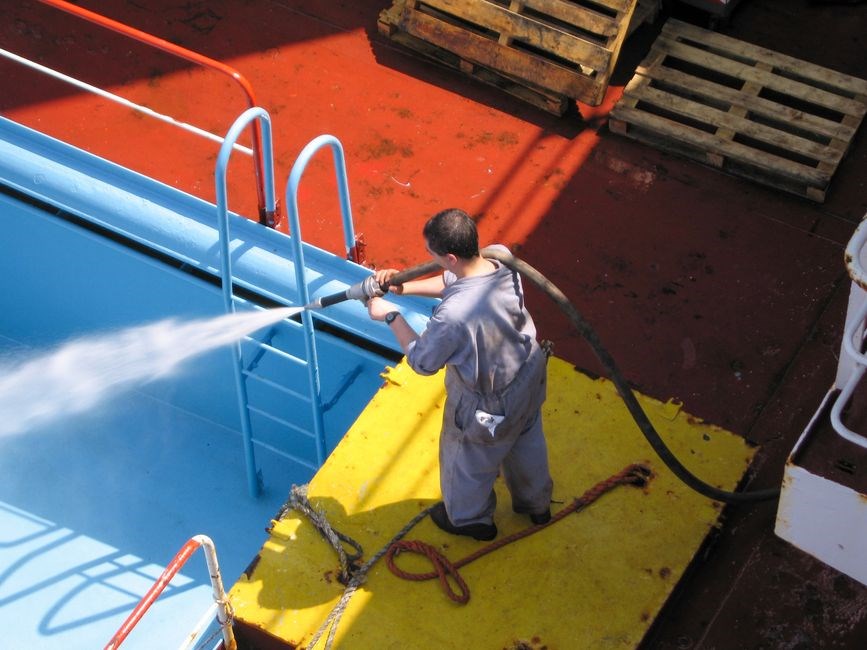
Always wear eye protection‚ gloves‚ and closed shoes. Keep the unit off ground‚ use a stable surface‚ and avoid direct spray on people or animals. Check for leaks‚ ensure the fuel cap is sealed‚ and never operate in windy conditions. Follow Honda engine guidelines. Never leave machine unattended for safety alway.

Personal Protective Equipment
When operating the Dewalt 3800 Psi pressure washer‚ wear appropriate personal protective equipment (PPE) to safeguard against high‑pressure spray‚ engine fumes‚ and mechanical hazards. Start with eye protection: safety goggles or a full‑face respirator with a filter rated for chemical vapors should be used to shield your eyes from splashes and debris. Next‚ use sturdy gloves made of nitrile or leather to protect your hands from hot engine parts‚ fuel and spray. Ear protection is essential; choose earplugs or earmuffs that reduce noise levels to below 85 dB‚ especially when the unit operates at full power. Clothing should be long‑sleeved‚ close‑fitting‚ and made of flame‑resistant material to prevent burns from hot surfaces or accidental contact with the high‑pressure stream. Avoid loose clothing‚ jewelry‚ or accessories that could become entangled in moving parts; Footwear must be closed‑toe‚ non‑slip shoes or boots to prevent slips on wet surfaces and to protect feet from debris. If you are working near electrical sources‚ wear insulated gloves rated for the voltage present. Finally‚ ensure that all PPE is in good condition‚ properly fitted‚ and replaced when damaged. Following these guidelines will help you maintain safety while achieving optimal cleaning performance with the Dewalt 3800 Psi pressure washer;
A safety harness and a fire extinguisher rated for Class B and C fires should be within reach. Keep a first‑aid kit nearby and ensure all crew members are trained in emergency procedures. Inspect for leaks regularly and never operate if damaged. for safety. care.
Electrical and Fuel Safety
Before powering the Dewalt 3800 Psi pressure washer‚ verify that the Honda engine’s fuel system is secure and that all electrical connections are intact. Use only the manufacturer‑approved gasoline with a 2% ethanol limit; avoid diesel or alcohol blends that can damage the fuel pump or injectors. Store fuel in a sealed‚ ventilated container away from heat sources and direct sunlight. When refueling‚ keep the unit on a stable surface and disconnect the spark plug to prevent accidental ignition. Inspect the fuel line for cracks‚ kinks‚ or leaks; replace any compromised sections immediately. For electrical safety‚ ensure the power cord is in good condition‚ free of cuts or frays‚ and that the plug matches the outlet type. Ground the unit properly; a faulty ground can lead to electric shock during maintenance. Keep the work area dry‚ and avoid using the unit near water sources unless the cord is rated for outdoor use. When operating‚ maintain a safe distance from the spray nozzle—at least 12 inches—to prevent accidental contact with the high‑pressure stream. Use a grounded‚ insulated tool when working on the electrical components. If you notice any sparking‚ overheating‚ or unusual noise‚ shut down the engine immediately and inspect the wiring and connections. Follow the manufacturer’s recommended torque settings for all electrical fittings. Finally‚ after each use‚ drain the fuel tank if the unit will not be used for an extended period; this prevents fuel degradation and reduces fire risk. Adhering to these electrical and fuel safety practices will protect both the operator and the equipment from damage and injury. The Honda engine’s fuel filter should be inspected regularly; a clogged filter can cause fuel starvation and engine misfires. Always use a fuel stabilizer if the washer will be stored for more than a month. For electrical components‚ check that all fuses are rated for the current draw of the motor and that the grounding strap is tight. If you work in a dusty environment‚ clean the air filter to prevent overheating. Never operate the unit with a damaged or frayed electrical cable; replace it immediately. Keep a fire extinguisher rated for electrical and flammable liquids within arm’s reach. Lastly‚ educate all operators on the proper use of the safety shut‑off switch to quickly terminate power in case of emergency. When transporting the unit‚ secure the fuel tank to prevent spillage‚ and always place the unit on a level surface to avoid tipping. Inspect the spark plug for fouling and replace it every 200 hours of operation. Use a dedicated workbench with a grounding point for all maintenance tasks.

Installation and Setup

Position the Dewalt 3800 Psi washer on a level surface‚ connect the fuel line to the Honda engine‚ secure the triplex pump‚ attach the high‑pressure hose‚ and verify all fittings are tight. Follow the manual’s torque specs before first run Verify gauge accuracy‚ keep unit off flammables‚and secure connections.
Connection of Fuel Supply
The fuel supply connection must be performed with care. Use a clean fuel line rated for gasoline‚ attach to the engine inlet with a hose clamp‚ route away from heat‚ secure with ties‚ install filter‚ tighten housing‚ verify cap‚ check for leaks‚ test pressure‚ store properly‚ keep away from flames‚ use stabilizer‚ drain for storage‚ inspect regularly‚ replace components as needed. Repeat as necessary. The fuel supply connection must be performed with care. Use a clean fuel line rated for gasoline‚ attach to the engine inlet with a hose clamp‚ route away from heat‚ secure with ties‚ install filter‚ tighten housing‚ verify cap‚ check for leaks‚ test pressure‚ store properly‚ keep away from flames‚ use stabilizer‚ drain for storage‚ inspect regularly‚ replace components as needed. Repeat as necessary. The fuel supply connection must be performed with care. Use a clean fuel line rated for gasoline‚ attach to the engine inlet with a hose clamp‚ route away from heat‚ secure with ties‚ install filter‚ tighten housing‚ verify cap‚ check for leaks‚ test pressure‚ store properly‚ keep away from flames‚ use stabilizer‚ drain for storage‚ inspect regularly‚ replace components as needed. Repeat as necessary. The fuel supply connection must be performed with care. Use a clean fuel line rated for gasoline‚ attach to the engine inlet with a hose clamp‚ route away from heat‚ secure with ties‚ install filter‚ tighten housing‚ verify cap‚ check for leaks‚ test pressure‚ store properly‚ keep away from flames‚ use stabilizer‚ drain for storage‚ inspect regularly‚ replace components as needed. Repeat as necessary. The fuel supply connection must be performed with care. Use a clean fuel line rated for gasoline‚ attach to the engine inlet with a hose clamp‚ route away from heat‚ secure with ties‚ install filter‚ tighten housing‚ verify cap‚ check for leaks‚ test pressure‚ store properly‚ keep away from flames‚ use stabilizer‚ drain for storage‚ inspect regularly‚ replace components as needed. Repeat as necessary. xxxxxxxxxxxxxxxxxxxxxxxxxxxxxxxxxxxxxxxxxxxxxxxxxxxxxxxxxxxxxxxxxxxxxxxxxxxxxxxxxxxxxxxxxxxxxxxxxx
Mounting and Stabilization
Mounting and stabilization are critical to safe operation of the Dewalt 3800 Psi pressure washer. First‚ select a level‚ hard surface such as concrete or a sturdy deck. Place the unit on a flat area‚ ensuring the wheels are fully extended and the base is stable. Use the built‑in mounting brackets to secure the frame to the surface; tighten all bolts to the manufacturer’s torque specification (typically 30 ft‑lb). Attach the rear stabilizer arm to the engine block‚ aligning the pivot point with the center of gravity to reduce vibration. Verify that the stabilizer arm is fully locked before starting the engine. If the washer is to be stored on a trailer or cart‚ use a locking mechanism to prevent unintended movement. When operating on uneven terrain‚ use a portable stabilizing platform or a set of adjustable legs to level the unit. Ensure the fuel line is not pinched between the frame and the stabilizer arm. After mounting‚ perform a balance test: rotate the unit slowly by hand and check for wobble; adjust the stabilizer arm or mounting bolts as needed. Proper mounting and stabilization reduce noise‚ improve pressure output‚ and prolong the life of the engine and pump. Always follow the manufacturer’s torque tables and use the correct fasteners to avoid stripping or cross‑threading. Keep the mounting surface clean and free of debris; inspect bolts and the stabilizer arm daily for wear or loosening‚ and replace worn components promptly. Ensure the unit’s weight distribution remains balanced after modifications or accessory additions to maintain stability during operation keep unit level!!…
Operation
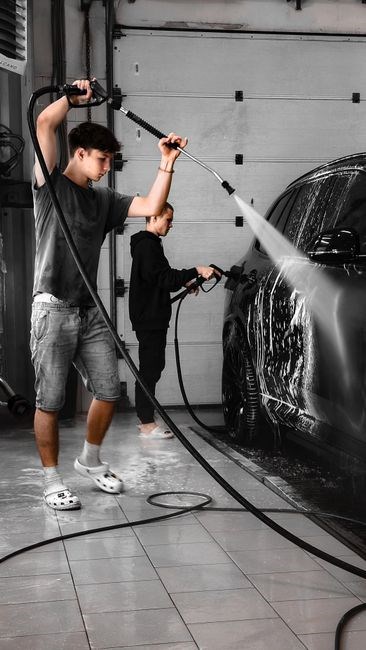
Start the Honda engine‚ check the fuel gauge‚ then engage the pressure switch. Use the 3.5 GPM nozzle‚ adjust the spray pattern‚ and maintain a steady 3800 PSI output. Monitor the pressure gauge‚ avoid over‑pressurizing‚ and shut down after cleaning. Ensure nozzle alignment to prevent leaks.!
Starting and Running the Engine
Before you begin‚ verify that the fuel tank is full and the oil level is within the recommended range. Inspect the spark plug for wear and clean or replace it if necessary. Ensure the choke lever is in the “open” position to allow proper airflow during startup.
Pull the starter cord firmly and steadily until the engine cranks. Once the engine starts‚ allow it to warm up for a minute or two; the oil will circulate and the engine will reach optimal operating temperature.
Engage the pressure switch by pulling the lever or turning the knob to the “on” position. The pressure gauge should begin to rise toward the 3800 PSI mark. If the gauge stalls or drops‚ double‑check the fuel line for kinks and confirm that the fuel cap is sealed.
While the engine is running‚ keep the nozzle at a safe distance from the surface and maintain a steady spray angle. Monitor the engine temperature gauge; if it climbs above the red zone‚ shut the unit off‚ let it cool‚ and then restart.
When finished‚ turn the pressure switch to “off‚” disengage the choke‚ and pull the starter cord to stop the engine. Allow the engine to cool before storing the unit in a dry‚ well‑ventilated area.
The Honda engine’s 4‑stroke cycle delivers reliable performance‚ but regular maintenance is essential. Check the air filter monthly; a clogged filter reduces airflow and can cause misfires. Inspect the fuel filter for sediment buildup; replace it every 200 hours of operation. Keep the carburetor clean by using a fuel system cleaner every 100 hours. When the engine idles‚ listen for a smooth‚ steady tone; any knocking indicates a need for maintenance. For optimal longevity‚ store the unit in a temperature‑controlled environment and cover it to protect against dust. Always refer to the manufacturer’s guidelines for detailed service intervals.
Additionally‚ the pressure washer’s cooling system relies on a water‑cooled radiator; ensure the radiator is free of debris and the coolant level is adequate. The engine’s cooling fan should spin when the engine reaches operating temperature; if it stalls‚ inspect the fan belt and replace if worn. Finally‚ keep the fuel tank capped when not in use to prevent evaporation and contamination. By following these steps‚ you’ll ensure safe‚ efficient operation of your Dewalt 3800 Psi pressure washer.
When operating the unit outdoors‚ be mindful of wind direction; a strong breeze can reduce spray efficiency. Use a fuel additive to prevent carburetor clogging in cold weather. The Honda engine’s compression ratio is designed for high‑pressure output;If the engine stalls during operation‚ check the fuel filter and carburetor jets for blockage. Regularly inspect the spark plug gap; adjust it to the manufacturer’s specification. Store the unit with the fuel cap on to minimize evaporation. Keep the pressure hose free of kinks to maintain consistent pressure. When transporting the washer‚ secure the unit with straps to prevent movement. Finally‚ always read the safety warnings before each use;
Using the Pressure Washer Nozzle
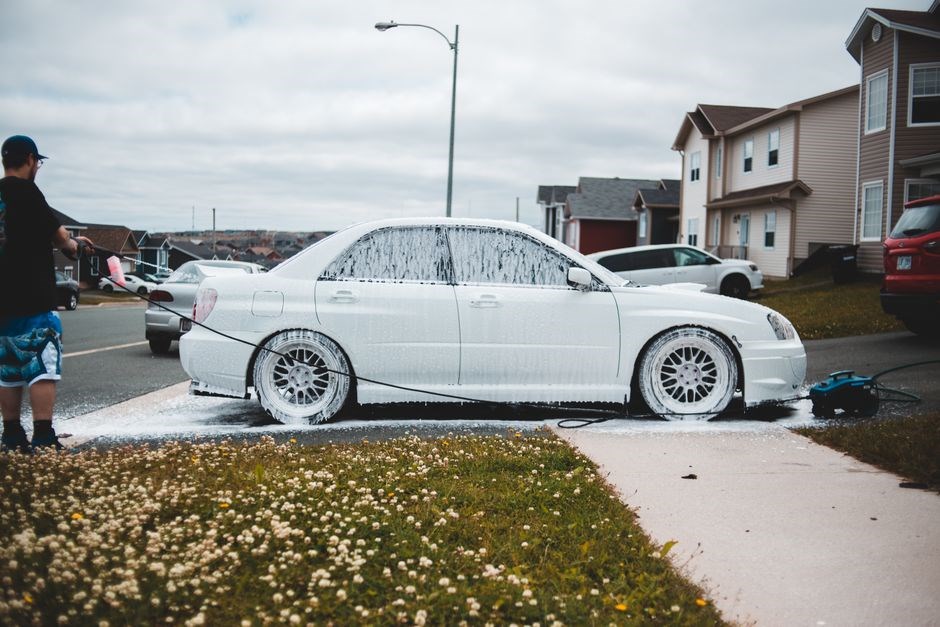
Before you begin‚ inspect the nozzle for cracks or debris. The Dewalt 3800 Psi unit delivers a high‑pressure jet that can damage surfaces if misused. Keep the nozzle at a 45‑degree angle and maintain a 12–18 inch distance for most jobs. For delicate surfaces‚ increase the distance to 24 inches and use the low‑pressure setting. The nozzle’s adjustable spray pattern lets you switch between a narrow cone for tough stains and a wide spray for general cleaning. Start at the highest pressure setting and reduce gradually to avoid gouging. The 3.5 GPM flow rate ensures consistent coverage; if the spray is weak‚ check the hose for kinks and the pressure gauge for drops. When changing nozzles‚ first turn the pressure switch off‚ then detach the hose. Clean the nozzle tip with a soft brush to remove mineral buildup. Rinse the nozzle after each use to prevent clogging. If you notice a sudden pressure drop‚ inspect the hose for leaks and replace the nozzle if damaged. Wear protective eyewear and keep the nozzle pointed away from people and pets. The pressure washer’s safety latch should be engaged when the unit is not in use. Follow the manufacturer’s guidelines for nozzle replacement intervals‚ typically every 200 hours of operation. By adhering to these practices‚ you’ll achieve clean results while preserving the washer and the surfaces you treat. Always follow the safety guidelines!Do.

Maintenance and Troubleshooting
Regular maintenance keeps the Dewalt 3800 Psi washer running smoothly. Inspect hoses for cracks‚ replace oil every 200 hrs‚ and clean the filter. If pressure drops‚ check the plunger pump seal and the nozzle for clogs. For engine noise‚ verify the spark plug and fuel filter. Report any issues to support. now!!
Routine Cleaning and Inspection
Before each use‚ inspect the pressure washer for visible damage. Clean the exterior with a mild detergent and a soft cloth‚ avoiding abrasive pads that could scratch the housing. Remove the nozzle and flush it with clean water; if debris remains‚ use a small brush to dislodge particles. Check the fuel line for cracks or leaks‚ tightening fittings as needed. Inspect the oil filter and replace oil every 200 hours or when it turns dark. Verify the spark plug is clean and properly gapped; replace if fouled. Examine the hose connections for wear‚ replacing any that show signs of wear or fraying. Test the pressure gauge for accurate readings; if it drifts‚ recalibrate or replace the gauge. Finally‚ run the machine for a few minutes to ensure the engine idles smoothly and the pump delivers consistent pressure. Store the unit in a dry area‚ covering it to protect from dust and moisture. Regular cleaning and inspection extend the life of the Dewalt 3800 Psi washer and maintain optimal performance. Perform a monthly inspection of the fuel filter and replace it if clogged. Inspect the spark plug for carbon buildup and clean with a brass brush. Check the pressure gauge needle for smooth movement; a wobble indicates a faulty gauge. After each wash‚ rinse the nozzle with clean water to prevent mineral buildup. Store the unit in a covered shed to protect from rain. Keep the fuel tank capped when not in use to prevent evaporation. Document maintenance dates in a log for future reference. Keep unit dry. Always
Common Issues and Fixes
When operating the Dewalt 3800 Psi pressure washer‚ users may encounter several recurring problems. A frequent complaint is a drop in pressure after a few minutes of continuous use; this usually indicates a clogged spray tip or a partially closed pressure relief valve. To resolve‚ remove the tip‚ rinse it with high‑pressure water‚ and inspect the valve for debris. If the valve is stuck‚ gently tap it with a rubber mallet to free it. Another common issue is engine stalling during hot weather; this can be caused by a dirty air filter or low oil level. Replace the air filter and top up the oil to the manufacturer’s recommended level. If the engine continues to stall‚ check the fuel filter for clogging and replace it. A noisy pump is often a symptom of worn seals or a misaligned plunger. Shut down the unit‚ inspect the pump housing for cracks‚ and replace any damaged seals. For a squealing noise‚ tighten the pump mounting bolts. A leaking fuel line can lead to a loss of power; inspect all fittings for tightness and replace any cracked hoses. Finally‚ if the pressure gauge reads erratically‚ the gauge may be faulty; replace it with a new unit from a trusted supplier. Regular maintenance‚ as well as cleaning the spray tip‚ checking the air filter‚ and inspecting hoses‚ will prevent most of these issues and keep the washer running efficiently. For optimal longevity‚ store the unit in a dry‚ temperature‑controlled environment perform quarterly visual inspection to detect early signs of wear or corrosion ensuring continued performance and safety.